
Back to School Guide: Helping Your Dog Adjust to the New Routine
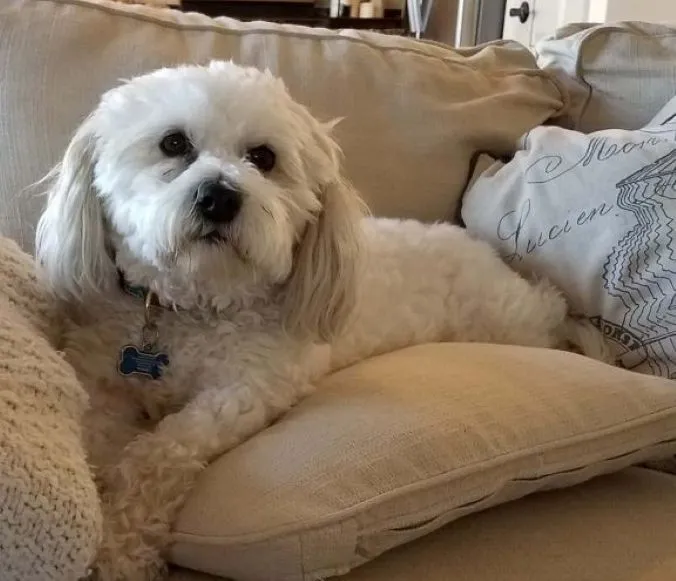
As the school holidays come to an end and families settle back into early mornings, lunchboxes, and after school activities, it’s not just the kids who feel the shift. Dogs are creatures of habit, and sudden changes to their daily routine can create stress, anxiety, and unwanted behaviours.
With a little preparation, you can help your dog transition smoothly into the new school schedule and prevent common back to school behaviour problems. By providing training and the right combination of food, shelter and entertainment you will make all the difference.
_________________________________________________________________________________________________________________
Separation Anxiety: Preparing Your Dog for Quiet Days at Home
When the house suddenly becomes quiet and empty, many dogs struggle. Without the kids around, some dogs experience separation anxiety, which can lead to barking, destructive behaviour, or distress.
Start Early
Begin preparing your dog a couple of weeks before school starts. Gradually increase the amount of time they spend alone. If they usually accompany you everywhere, start leaving them at home for short periods so the change isn’t so abrupt.
Reduce Constant Attention
During school holidays, dogs often become the centre of attention. Before school resumes, slowly reduce the amount of interaction throughout the day. This helps your dog adjust to longer stretches of quiet time once the kids are back in class.
________________________________________________________________________________________________________________
Boredom Busters: Keeping Your Dog Mentally Stimulated
Dogs sleep a lot during the day, but when they wake up, they need something to do. Without entertainment, boredom can quickly turn into mischief.
Scatter Feeding
Dogs are natural foragers. Scatter a portion of their food around the yard or hide treats indoors to encourage sniffing, searching, and problem‑solving. This simple activity can keep them busy for long periods.
Toys
Choose high‑quality, long lasting toys such as treat dispensing options like the GameChanger® or KONG®. Rotate toys every few days to keep things fresh and exciting.
________________________________________________________________________________________________________________
Creating a Safe, Comfortable Space
Every dog needs a place where they feel secure — a “home within the home.”
Crate Comfort
If your dog is already crate trained, their crate can be a wonderful den-like retreat. However, avoid starting crate training right as school begins, as this can add stress. And remember: crates shouldn’t be used for excessively long periods. If you’ll be away for more than 8–10 hours (or 4–6 hours for puppies), arrange for someone to let your dog out to toilet.
Small, Easy to Clean Spaces
If your dog stays indoors and you’re concerned about toileting accidents, confine them to a small, safe area such as a laundry room with a tile or vinyl floor.
________________________________________________________________________________________________________________
Managing Overexcitement and Unusual Behaviour
After a day home alone, dogs often greet the kids with explosive enthusiasm. Jumping, knocking children over, or even nipping can occur when excitement boils over.
Teach Kids the Routine
Children should avoid rushing straight to the dog as soon as they walk in the door. Encourage them to ignore the dog for 5–10 minutes to allow the excitement to settle. Young children should always be supervised during greetings.
Train Your Dog Using Natural Communication
Dogs learn incredibly quickly when we communicate in ways they instinctively understand. Bark Busters uses natural, canine‑friendly communication methods to teach dogs what behaviour is acceptable — and what isn’t. It’s simple, kind, and highly effective.
_______________________________________________________________________________________________________________
Final Thoughts
A little preparation goes a long way. By easing your dog into the new routine, providing entertainment, and setting clear expectations, you can help them feel secure and confident during the back‑to‑school transition.
Recent Articles
- Why Does Your Dog Dig? Understanding the Behaviour and What You Can Do About It
- Winter Dog Care Tips: Keep Your Dog Warm & Happy
- How to Stop Your Dog Jumping Up: A Simple Guide for Better Manners
- St Patrick's Pooches: Meet the Most Charming Irish Dog Breeds
- Easter Holidays: Keeping Your Dog Safe During the Festivities
- 10 Ways to Help Your Dog Stay Calm During Storms
- How to Show Affection to Your Dog This Valentine’s Day
- Back to School Guide: Helping Your Dog Adjust to the New Routine
- How To Keep Your Dog Cool in the Summer Heat
- Keep Your Dog Safe This Summer: Bark Busters’ Essential Tips