
10 Ways to Help Your Dog Stay Calm During Storms
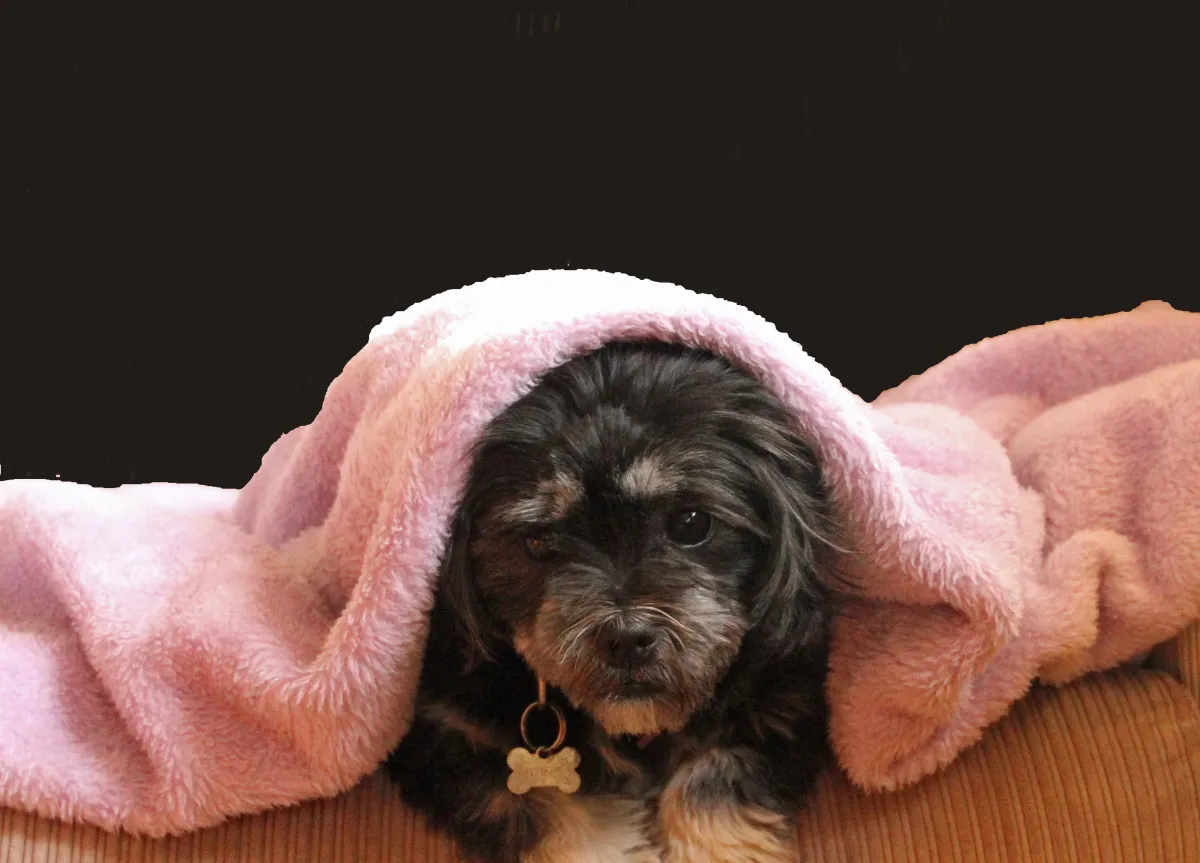
Storms can be frightening for many dogs, especially those with noise anxiety or thunderstorm phobia. By preparing ahead of time and responding calmly, you can help your dog feel safer and reduce their stress. Here are ten strategies to support your dog during stormy weather.
1. Ensure Your Dog Has Proper Identification
Always keep secure ID tags on your dog’s collar in case they panic and escape. Ensure your contact details are up to date on the registry for your dog’s microchip.
2. Create a Safe, Quiet Space Indoors
Provide a calm, den‑like area inside your home where your dog can retreat during storms. A properly introduced crate or kennel can offer comfort and security. When a storm approaches, guide your dog to their safe space to help them settle.
3. Protect Outdoor Dogs From Lightning and Fear‑Based Escapes
If your dog lives outdoors and can’t be brought inside, cover their doghouse with a blanket to offer some protection from the bursts of thunder and lightning. Dogs left outside during storms may panic, escape their yard, or injure themselves.
4. Stay Calm — Your Dog Takes Cues From You
Dogs pick up on human stress. Maintain a calm, matter‑of‑fact attitude to avoid reinforcing fear. Allow your dog to stay close and gently distract them with play or grooming. Avoid using a sympathetic tone, as it can unintentionally reward anxious behaviour.
5. Prevent Destructive Behaviour
Some dogs become destructive when frightened. A crate is the safest way to protect both your dog and your belongings. If you don’t use a crate, remove items your dog could destroy or hurt them if they chewed them.
6. Reduce Storm Noise and Light Flashes
Close windows and curtains to minimise thunder and lightning exposure. Turning on the TV or playing soft music at normal volume can help mask storm sounds and create a more relaxing environment.
7. Keep Your Dog Away From Exterior Doors
During storms, stressed dogs may bolt outside or react unpredictably when someone enters your home. Keep them away from exit points to prevent injuries or accidental escapes.
8. Expect Possible Incontinence
Extreme fear and adrenaline may cause temporary incontinence. Stay patient and avoid reacting negatively — your dog isn’t doing it on purpose.
9. Consider Desensitisation Training
For dogs with ongoing storm anxiety, desensitisation using storm recordings can be highly effective. This process takes time but can significantly reduce fear. A qualified Bark Busters dog behavioural therapist can guide you through a personalised training plan.
10. Explore Veterinary Support for Severe Cases
In extreme cases, medication combined with behaviour training may be the best option. Speak with your veterinarian about treatments that can help your dog cope with storm‑related anxiety.
Recent Articles
- Why Does Your Dog Dig? Understanding the Behaviour and What You Can Do About It
- Winter Dog Care Tips: Keep Your Dog Warm & Happy
- How to Stop Your Dog Jumping Up: A Simple Guide for Better Manners
- St Patrick's Pooches: Meet the Most Charming Irish Dog Breeds
- Easter Holidays: Keeping Your Dog Safe During the Festivities
- 10 Ways to Help Your Dog Stay Calm During Storms
- How to Show Affection to Your Dog This Valentine’s Day
- Back to School Guide: Helping Your Dog Adjust to the New Routine
- How To Keep Your Dog Cool in the Summer Heat
- Keep Your Dog Safe This Summer: Bark Busters’ Essential Tips