
Why Does Your Dog Dig? Understanding the Behaviour and What You Can Do About It
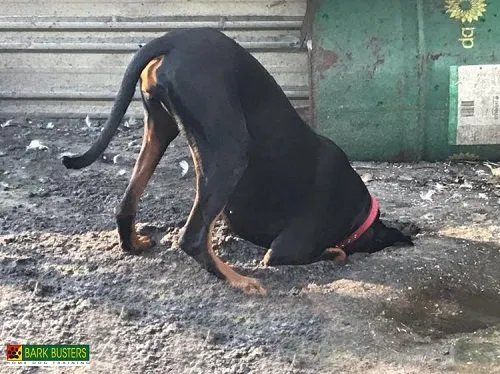
Does your dog dig? Many owners shrug it off as “just what dogs do,” and in some cases, that’s true — digging can be a natural breed trait or simply an enjoyable pastime. But in other situations, digging can be a sign of an underlying need or issue that’s worth addressing.
Understanding why your dog digs is the first step toward reducing or redirecting the behaviour.
_________________________________________________________________________________________________________________________
1. Boredom
Boredom is one of the most common reasons dogs dig. If your dog spends long hours alone, they may dig simply to entertain themselves.
How to reduce boredom digging:
- Rotate new toys regularly
- Use Kongs filled with dog‑safe paste
- Offer the popular GameChanger® toy
- Create a sandpit with hidden treats
- Arrange a midday dog walker or visitor
A mentally stimulated dog is far less likely to dig out of frustration.
___________________________________________________________________________________________________________
2. Nervousness or Separation Anxiety
Dogs thrive on companionship. Being left alone in a quiet house or yard can make some dogs anxious, leading them to dig as a coping behaviour.
Ways to help anxious dogs:
- Leave a radio or TV on for background noise
- Use a two‑way doggy cam to reassure them
- Ask a friend or family member to stop by
- Provide comfort items with familiar scents
Reducing anxiety often reduces digging.
__________________________________________________________________________________________________________
3. Investigating Rodents or Underground Sounds
Dogs hear four times better than humans, including frequencies we can’t detect. If your dog digs in specific spots, they may be responding to underground movement.
Redirect this instinct safely:
- Create a designated digging zone
- Bury toys or treats for them to “discover”
- Encourage digging only in approved areas
This allows natural behaviour without yard destruction.
_________________________________________________________________________________________________________
4. Escaping the Heat
Dogs can overheat quickly. Digging a cool patch of earth is an instinctive way to regulate their temperature.
Prevent heat‑related digging:
- Provide access to an air‑conditioned or shaded area
- Ensure plenty of cool water
- Freeze a 4L ice‑cream container with water + tuna
- Visit home at lunch for a quick hose‑down if possible
Comfort reduces the need for self‑cooling behaviours.
________________________________________________________________________________________________________
5. Nutrition Deficiencies
Surprisingly, incomplete nutrition can lead to digging. Dogs lacking essential amino acids, vitamins, or minerals may instinctively search for nutrients in the soil.
Support with a balanced diet:
- Feed complete proteins
- Ensure proper fats, fibre, vitamins, and minerals
- Consult your veterinarian for dietary guidance
A healthy diet supports healthy behaviour.
_______________________________________________________________________________________________________
6. Learned Behaviour
Dogs learn by watching — including watching you. If your dog sees you gardening, they may imitate the behaviour. Dogs also learn from other dogs, so one digger can influence the whole pack.
Prevent copycat digging:
- Keep dogs indoors during gardening
- Supervise outdoor time if you have a known digger
________________________________________________________________________________________________________
When Digging Means Something More
Some dogs dig purely for fun or instinct. But often, digging is a clue that something in your dog’s environment or routine needs attention. If you’re unsure why your dog is digging — or you’d like help addressing it — our Bark Busters Dog Behavioural Therapists can assess the root cause and create a personalised training plan.
Recent Articles
- Why Does Your Dog Dig? Understanding the Behaviour and What You Can Do About It
- Winter Dog Care Tips: Keep Your Dog Warm & Happy
- How to Stop Your Dog Jumping Up: A Simple Guide for Better Manners
- St Patrick's Pooches: Meet the Most Charming Irish Dog Breeds
- Easter Holidays: Keeping Your Dog Safe During the Festivities
- 10 Ways to Help Your Dog Stay Calm During Storms
- How to Show Affection to Your Dog This Valentine’s Day
- Back to School Guide: Helping Your Dog Adjust to the New Routine
- How To Keep Your Dog Cool in the Summer Heat
- Keep Your Dog Safe This Summer: Bark Busters’ Essential Tips